
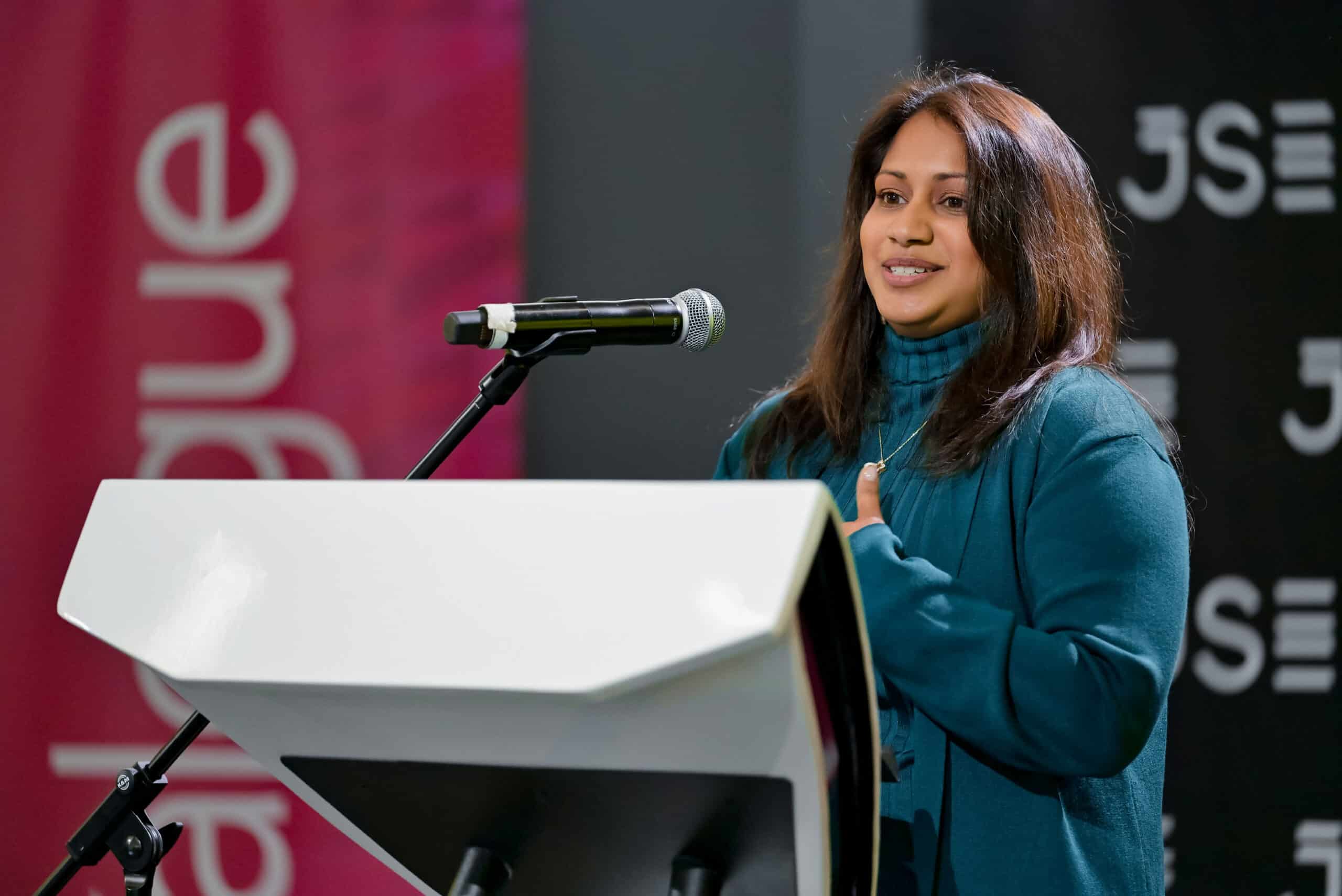
Sustainability should be understood as a governance matter rather than a separate environmental agenda item, said Vikeshni Vandayar, Institute of Directors South Africa (IoDSA) governance and membership services executive director, to delegates at Trialogue’s Sustainability Symposium on 28 September 2026.
Vandayar said research presented at the symposium showed that boards already recognise sustainability’s importance, but that the harder challenge is translating that ambition into value creation through governance systems, incentives and decision-making. She questioned why implementation remains the weak point, suggesting that the proliferation of acronyms and reporting frameworks around sustainability has made a fundamentally simple idea appear unnecessarily complex. Framed plainly, sustainability is about whether an organisation can continue creating value responsibly over time, a question that sits squarely within a board’s remit.
She linked this framing to South Africa’s King Governance Codes, noting that King IV does not treat sustainability as a standalone governance area precisely because sustainable value creation underpins the entire framework. Using biodiversity as an example, Vandayar illustrated how an issue that might initially appear environmental, such as declining bee populations affecting pollination, can cascade into economic, social, risk and ultimately governance concerns depending on an organisation’s sector and supply chain.
Vandayar cautioned that a polished sustainability report does not equate to sustainability being governed. Reporting frameworks provide language, she said, but governance gives that language meaning. The true test is whether disclosed information connects to board decisions, management accountability and assurance. Referencing Volkswagen’s 2015 emissions scandal, where employees who knew about the software feared retaliation for reporting it, as an example of how an apparent environmental or compliance issue can reflect a deeper governance and cultural failure.
Reflecting the findings of the 2026 Trialogue Sustainable Business Tracker, Vandayar set out five areas for boards to focus on. These include;
- embedding sustainability within the strategy cycle from the outset rather than treating it as a disclosure exercise
- strengthening board capability, noting that research shows fewer than half of board members currently hold relevant sustainability qualifications or experience
- improving the quality and reliability of sustainability data available to directors
- establishing clear escalation protocols so material sustainability matters reach the board or relevant board committee
- linking sustainability outcomes to accountability through performance management, incentives and assurance
She offered directors a practical test, proposing that they remove the word ‘sustainability’ from a board pack and check whether the underlying issues still surface in strategy, risk, finance and human capital discussions. If they do, she said, this points to integrated thinking within the organisation. If not, sustainability has yet to be embedded in its governance systems.
Closing her address, Vandayar said governance is rarely a choice between obvious right and wrong, but a matter of weighing legitimate competing interests, such as short-term performance against long-term resilience, immediate cost against future risk and shareholder return against stakeholder trust. She concluded that sustainable value creation is not a side issue for boards but the central thread connecting leadership with accountability, and today’s decisions with tomorrow’s consequences.
