
A volatile geopolitical landscape, shrinking aid flows and rising social pressures are all forcing companies to rethink what they fund. Corporate social investment is also affected.
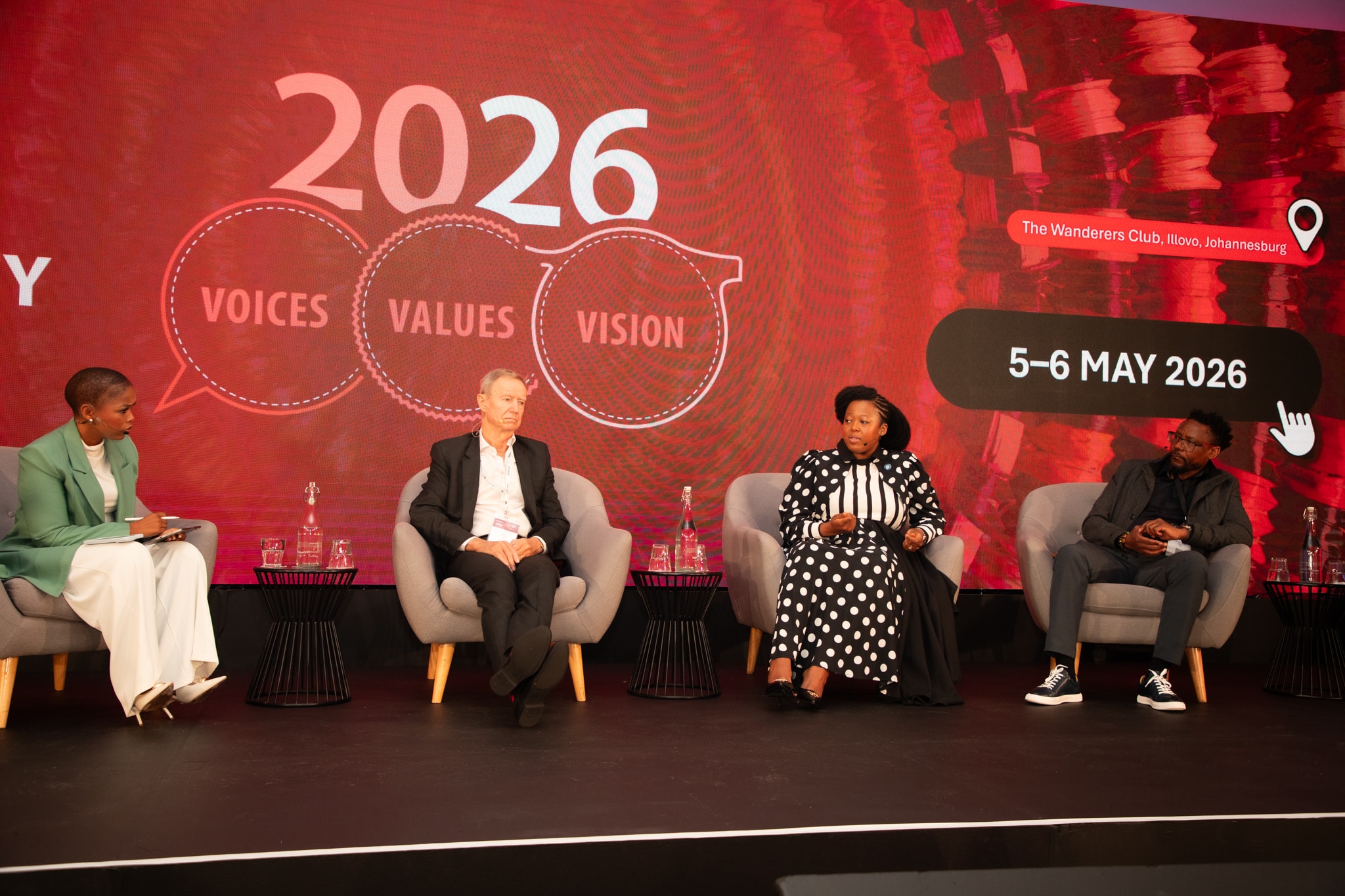
During the Dialogue with Trialogue panel session, held on day 2 of the Trialogue Business in Society Conference 2026, Nick Rockey (MD of Trialogue), Bhekhinkosi Moyo (Director of the Centre on African Philanthropy and Social Investment) and Thandeka Nkambule (Chief Transformation Officer at Sanlam) discussed the changing funding landscape and how it affects CSI sector work.
“We’ve witnessed a slow but dramatic decline in overseas development assistance,” Moyo told delegates. “The funding architecture is changing. New rules are going to be drawn – and there are implications for us.”
As global power shifts eastward, with China and other countries playing a growing role in Africa, Moyo said the landscape will look different – and companies are increasingly expected to step in to fill funding gaps.
Additionally, young people are increasingly demanding that companies be socially conscious, environmentally responsible and values-driven. “They are expecting corporates to have a soul,” Moyo explained. This means treating their employees as “whole human beings”. And while companies should invest in innovation and ESG, they should prioritise community development and revitalise the idea of purpose and people alongside profit.
“If corporates do not respond to this shift,” he cautioned, “they risk losing an entire generation.”
CSI evolving to become more systemic
Against this global backdrop, Rockey unpacked how CSI is evolving inside companies facing economic volatility at home. While discretionary spend is under pressure, he argued that strategically designed CSI is increasingly a lever for resilience.
“The difference now is that the language has gone mainstream,” Rockey said. Concepts such as catalytic capital, systemic change and collective impact are now shaping how CSI is practised. Importantly, this shift is moving beyond rhetoric.
Rockey pointed to a growing emphasis on outcomes-based funding and collaborative approaches, where corporate and philanthropic capital is used alongside impact capital to support longer-term development pathways. In one such model, CSI funding supported community farming initiatives that were then scaled through follow-on investment.
Even in a constrained environment, he noted, there remains “a margin of growth” for CSI aligned with core business strategy – and strategic levers are responsible for this.
As the discussion turned to the growing political pushback against ESG, Rockey acknowledged that many companies are now doing their work more quietly. But he rejected the idea that substance has been lost.
“There was a lot of froth,” he said, referring to compliance-heavy reporting that added little value. What matters now is “doing things, not just talking about them” – applying a sustainability lens to increasingly complex business challenges and ensuring that CSI efforts actually count.
Measurement, evaluation and collaboration are central to that shift. “Doing more with less means focusing on impact,” Rockey said. “And bringing others into the space. We can achieve more together.”
Sanlam’s approach to socioeconomic challenges
Sanlam’s Youth4Tourism initiative, which won the Trialogue Strategic CSI Award in 2025, offered a practical illustration of this approach.
Nkambule explained how the programme was designed as a long-term, collaborative response to the severe impact of Covid-19 on the tourism sector. Rather than a once-off training intervention, the initiative focused on building an ecosystem that combined skills development with access to markets and opportunities.
Young people were trained in practical, in-demand skills that support the tourism value chain, including barista training and content creation. Sanlam then partnered with other companies through the Youth Employment Service, pooling funding, networks and scale.
Participants moved beyond certificates into jobs, supply chains and, in some cases, commissioned work for Sanlam itself. Nkambule noted that CSI practitioners often shy away from the commercial dimensions of this work, yet “there is an element of profit here – enterprise growth, supply-chain development, and growth for the business as well”.
Without this strategic framing, she warned, funders are less likely to sustain support. “It’s not just about training. It’s not just a programme – it’s an ecosystem,” Nkambule said.
